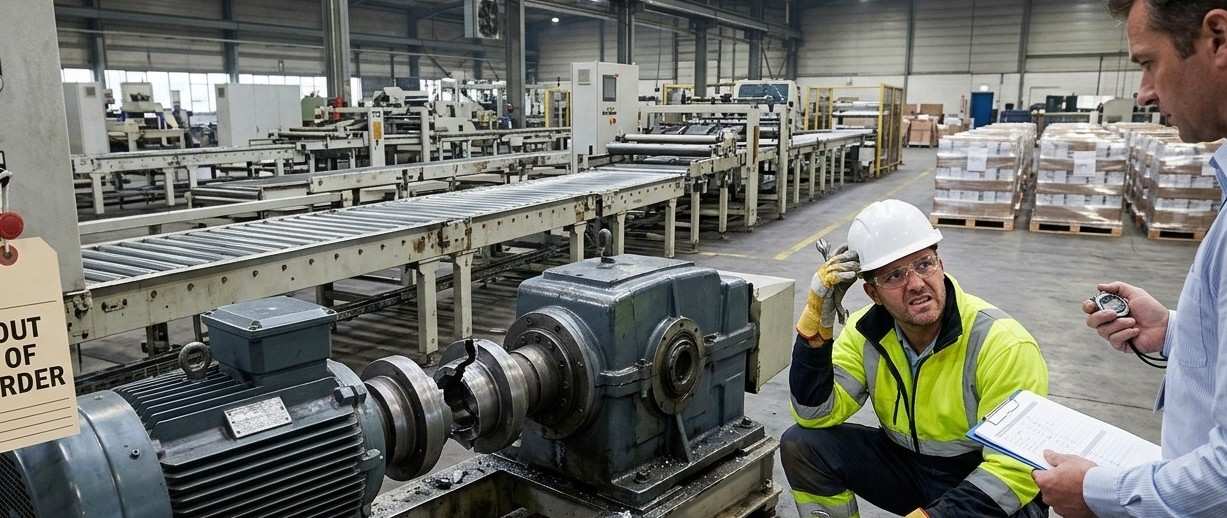
A coupling looks like a small part on a large machine, yet it carries the full load between two rotating shafts. When it fails, the damage rarely stays small. Bearings wear out faster, motors strain, and production lines stop without warning. Most of these failures trace back to a handful of avoidable mistakes rather than bad luck or normal wear.
The good news is that almost every coupling failure can be prevented once you know what to look for. From choosing the right type to catching misalignment early, small changes in how you select, install, and maintain couplings make a real difference. Here is what to watch for and how to fix it before it costs you time and money.
Why Coupling Mistakes Are So Costly
Couplings are meant to protect the more expensive parts of a machine, such as motors, gearboxes, and bearings. When a coupling is chosen, installed, or maintained poorly, it stops doing that job. The result is often unplanned downtime, emergency repairs, and lost production hours that add up quickly.
1. Choosing the Wrong Coupling for the Application
Every application has its own torque, speed, and alignment needs. A coupling that works well on one machine may be completely wrong for another. Before buying, think about the load the shafts carry, the environment they operate in, and how much misalignment the system will naturally have.
Our guide on Storz vs Bauer vs Perrot Couplings breaks down how different coupling systems perform under different conditions, which makes this decision much easier.
2. Ignoring Misalignment Between Shafts
Misalignment is one of the most common reasons couplings fail early. Even a small offset between shafts creates extra stress that spreads to bearings and seals. Angular, parallel, and axial misalignment can all happen at the same time, so it is worth checking each one separately during setup.
A quick way to catch this early is to look for uneven wear or dust buildup near the coupling, which usually signals movement that should not be there.
3. Installing the Coupling Incorrectly
A well chosen coupling can still fail if it goes in wrong. Rushed installation, uneven bolt torque, or ignoring the manufacturer’s instructions are common culprits. Before fitting a new coupling, a short checklist helps avoid most problems.
- Clean the shafts and remove old grease or debris
- Confirm the shaft fit matches the coupling bore
- Tighten fasteners evenly and to the correct torque
- Recheck alignment once the coupling is seated
Taking a few extra minutes here saves hours of downtime later.
4. Exceeding the Rated Speed or Torque
Every coupling comes with a maximum RPM and torque rating for a reason. Pushing past that limit, even briefly during startup or a sudden load spike, can crack or deform the coupling. It helps to review peak torque during acceleration, not just the normal running torque, since spikes are often underestimated during the design stage.
5. Skipping Regular Inspection and Maintenance
Couplings are wear parts by design, which means they need periodic checks even if nothing seems wrong. Different coupling types wear differently, so knowing what to look for matters.
| Coupling Type | Typical Wear Behavior | What to Check |
|---|---|---|
| Rigid | Little flex, transmits vibration directly | Bolt tightness, shaft alignment |
| Flexible (Elastomer) | Element cracks or hardens over time | Elastomer condition, backlash |
| Disc or Jaw | Continues running but loses precision | Wear on discs or jaw inserts |
| Beam or Bellows | Stops transmitting power once it fails | Cracks, fatigue lines |
If you are unsure which category your coupling falls into, our breakdown of Rigid vs Flexible Couplings explains how each type behaves under load and wear.
6. Overlooking Lubrication Requirements
Not every coupling needs lubrication, but the ones that do fail quickly without it. Always follow the manufacturer’s guidance on lubricant type and frequency, and remember that the coupling and nearby bearings may need different lubricants entirely.
7. Buying Low Quality or Generic Couplings
Generic couplings can look almost identical to trusted brands on paper, but the manufacturing quality often falls short where it matters most. This shows up as premature wear, inconsistent tolerances, or sudden failure under load that a properly engineered coupling would have handled without issue.
Working with High Quality Couplings Suppliers gives you access to parts that meet real performance standards rather than just looking the part. It is also worth comparing coupling families directly, and our guide on Camlock vs Storz Couplings is a useful reference when weighing options for fluid transfer systems.
8. Selecting a Coupling Too Late in the Design Process
Leaving coupling selection until the final stages of a project design limits your options and often forces compromises. Once the layout is finalized, there may not be enough space for the ideal coupling, or the system may need costly rework. Bringing coupling selection into the design process early gives engineers room to choose the right fit rather than whatever happens to squeeze into the available space.
How To Avoid These Mistakes
A short set of habits goes a long way toward preventing most coupling failures.
- Match the coupling to the actual load, speed, and environment
- Check alignment before and after installation
- Follow manufacturer torque and lubrication instructions exactly
- Schedule routine inspections instead of waiting for a breakdown
- Choose couplings early in the design process, not as an afterthought
- Buy from suppliers who can confirm material and tolerance quality
None of these steps require special tools or a large budget. They simply require attention at the right moments.
Final Thoughts
Coupling failures rarely happen without warning. Most trace back to a decision made during selection, installation, or maintenance that seemed minor at the time. By paying closer attention to alignment, torque limits, lubrication, and part quality, you can avoid the downtime and repair costs that come with a failed coupling and keep your machinery running the way it should.
Looking for a Reliable Couplings Supplier
Choosing the right coupling starts with choosing the right supplier. Mustafa Ashqar Trading supplies high quality couplings, hoses, valves, and industrial fittings built to handle demanding operating conditions. Contact our team today to find couplings that match your application and keep your systems running reliably.
Keep Reading To Know More
- Weld Neck vs Slip On Flanges: Which Should You Choose: A practical guide to selecting the right flange type for your piping system.
- Forged vs Cast Pipe Fittings Which Performs Better: Comparing manufacturing methods to help you choose durable fittings for industrial use.
- Comparison Galvanized vs Stainless Steel Pipe Fittings: A closer look at material performance for long term reliability in piping systems.
- Choosing the Right Camlock Material Aluminum vs Stainless Steel vs Brass: Guidance on selecting the right camlock material for safe and efficient fluid handling.
- Understanding Hose Pipes Types Uses and Applications: An overview of hose pipe types and how to match them to the right industrial application.