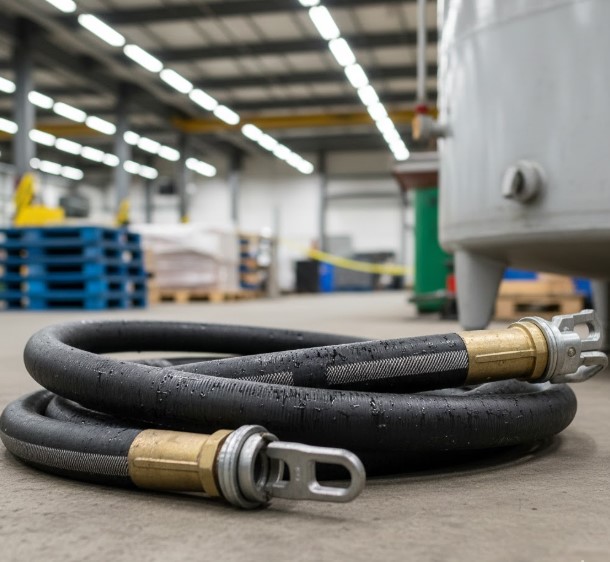
A hose pipe is a flexible engineered conduit designed to transport liquids, gases, or granular materials under controlled pressure and temperature conditions. Unlike rigid piping, hoses absorb vibration, tolerate movement, and simplify installation in complex industrial and commercial systems.
From manufacturing plants to construction sites, hoses serve as critical fluid transfer components. Understanding their construction, materials, pressure ratings, and compatibility is essential for selecting the correct type for safe and efficient operation.
What is a Hose?
A hose is a flexible tubular conduit designed to transport liquids, gases, or fine solids from one location to another under pressure or flow conditions.
It is typically constructed from elastomers, thermoplastics, or composite materials and reinforced with fibers or wire to withstand mechanical stress, temperature changes, and internal pressure.
How a Hose Works
A flexible hose operates by combining layered materials that provide strength, flexibility, and resistance to internal pressure. Inner tubes carry media, reinforcement layers handle stress, and outer covers protect against abrasion, chemicals, and environmental exposure.
Most designs rely on reinforcement technologies such as braided wire, textile plies, or spiral steel wraps. These structures allow a reinforced hose to maintain shape and integrity even when exposed to high pressure or dynamic movement.
Main Types of Hoses Used in Industry
Hydraulic Transfer Systems
A hydraulic hose is engineered for extremely high pressure fluid power applications such as heavy equipment and industrial presses. These hoses use multi layer steel reinforcement to handle intense pressure spikes and mechanical stress.
Heavy duty systems often require a high pressure hose rated according to standards from organizations like SAE International to ensure safe performance in demanding environments.
Air and Pneumatic Lines
An air hose delivers compressed air to tools, automation systems, and spray equipment. These hoses prioritize flexibility, kink resistance, and lightweight construction to support frequent handling.
Facilities often choose hybrid polymer or rubber blends for pneumatic lines because they maintain elasticity across wide temperature ranges and resist cracking during repeated use.
Water Transfer Applications
A water hose is designed for fluid movement in agriculture, construction, and sanitation systems. Materials vary depending on pressure requirements and environmental exposure.
Industrial grade options may include UV stabilized coatings and abrasion resistant outer layers. Compliance with standards from ISO ensures consistent dimensional accuracy and durability.
Chemical Handling Systems
A chemical hose must withstand aggressive substances such as acids, solvents, or fuels. Specialized inner liners made from fluoropolymers or nitrile compounds prevent permeation and material breakdown.
Testing protocols from ASTM International verify compatibility, permeation resistance, and long term performance in hazardous environments.
Food and Beverage Transfer
A food grade hose is manufactured using non toxic materials that do not contaminate consumable products. Silicone and approved PVC formulations are commonly used due to their purity and flexibility.
Certifications from NSF International and regulatory oversight by FDA confirm compliance with sanitation and safety requirements.
Hose Materials and Construction Types
Rubber Based Designs
A rubber hose provides excellent durability, temperature tolerance, and resistance to abrasion. These are widely used in heavy duty environments such as mining, welding, and fuel transfer systems.
Thermoplastic Options
A PVC hose is lightweight, cost effective, and resistant to corrosion. It is commonly selected for water delivery, ventilation, and light chemical handling tasks.
High Temperature Solutions
A silicone hose excels in applications involving heat, ozone exposure, and sterilization processes. It is widely used in medical, automotive, and food processing industries.
Reinforcement Structures
A braided hose incorporates textile or steel braids that improve pressure resistance and dimensional stability. This construction is common in hydraulic and pneumatic assemblies.
Key Components of a Hose Assembly
Inner Tube
The internal liner determines chemical compatibility and temperature tolerance. Selecting the correct compound prevents contamination and extends service life.
Reinforcement Layer
This structural layer defines pressure rating and flexibility. Wire spirals or fiber braids allow hoses to handle dynamic loads without bursting.
Outer Cover
The external jacket protects against abrasion, UV exposure, and chemicals. Certification bodies such as UL Solutions test outer materials for flame and environmental resistance.
Practical Applications Across Industries
Industrial hoses are used in sectors where fluid transfer reliability directly affects productivity and safety.
Common real world uses include:
- Construction machinery hydraulic systems
- Chemical processing plants
- Automotive manufacturing lines
- Agricultural irrigation systems
- Pharmaceutical production facilities
Manufacturers like Parker Hannifin, Gates Corporation, and Eaton Corporation produce engineered solutions tailored for these specialized environments.
If you are specifying hoses for a project with strict operating conditions, you can request a quote or contact our experts to match specifications with compliant products.
Hose Selection Factors Buyers Must Consider
Choosing the right industrial hose requires evaluating performance requirements and environmental conditions. Incorrect selection can lead to leaks, system failure, or safety hazards.
Important technical considerations include:
- Pressure rating and burst strength
- Temperature range
- Chemical compatibility
- Bend radius
- Connection compatibility with hose fittings
For buyers comparing specifications and materials, exploring a reliable hose pipes supplier can help you review available options, technical details, and purchase the right hose for your application.
Standards and Certifications That Matter
Industrial buyers should always verify compliance with recognized global standards. Certification confirms that a hose meets safety, durability, and performance requirements for its intended application.
Commonly referenced standards include:
- ISO dimensional and performance standards
- SAE pressure and construction ratings
- ASTM material testing protocols
- NSF sanitation certification
Products meeting these benchmarks deliver reliable performance and reduce operational risk.
Maintenance and Service Life Tips
Proper maintenance significantly extends hose lifespan and prevents unexpected downtime. Routine inspections help detect wear, cracks, or swelling before failure occurs.
Best practices include:
- Avoid exceeding rated pressure
- Store hoses away from sunlight
- Inspect fittings regularly
- Replace assemblies showing damage
Maintenance planning is especially important for systems using a high pressure hose or chemical transfer lines where failure could create safety hazards.
FAQs
What is the difference between a hose and a pipe?
A hose is flexible and absorbs movement while pipes are rigid and fixed. Hoses are better for dynamic or vibration prone systems.
How do I know which hose material is correct?
Match the hose material with the fluid, temperature, and pressure. Compatibility charts from manufacturers help ensure correct selection.
What causes hose failure most often?
Most failures result from overpressure, chemical incompatibility, or improper installation. Routine inspections prevent unexpected breakdowns.
Are all hoses rated for high pressure use?
No, only hoses designed with reinforcement layers can handle high pressure. Always check manufacturer specifications before installation.
How often should hoses be replaced?
Replacement depends on usage, environment, and pressure cycles. Industrial systems typically inspect hoses every 3 to 6 months.
Conclusion
Hoses are essential engineered components that enable safe, efficient transfer of fluids and gases across countless industries. Understanding materials, construction, certifications, and performance ratings allows buyers to select reliable solutions tailored to their application.
For businesses seeking dependable supply, technical compliance, and expert product guidance in UAE, Mustafa Ashqar Trading LLC provides professional support and high quality industrial hose solutions for demanding commercial and industrial operations.
Contact our industrial hose specialists for expert selection guidance, compliance advice, and customized fluid transfer solutions tailored to your application needs.
Keep Reading to Know More
- Rigid vs Flexible Couplings: What’s the Difference?: Clear comparison of rigid and flexible couplings to help you choose the right power transmission solution.
- Forged vs Cast Pipe Fittings Which Performs Better: Comparing durability, performance, and applications of forged and cast pipe fittings.
- Choosing the Right Camlock Material Aluminum vs Stainless Steel vs Brass: Compare materials for safety and durability.
- Difference Between EPDM and Natural Rubber Sheets: Key differences in performance and use.
- Comparison Galvanized vs Stainless Steel Pipe Fittings: Durability and corrosion resistance compared.