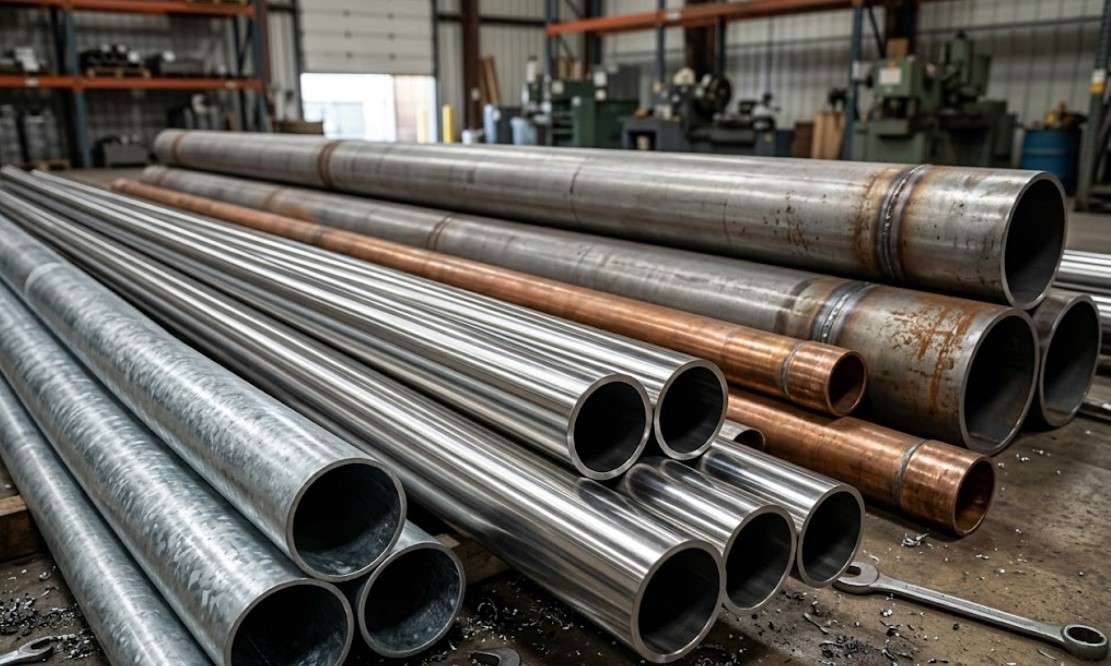
Galvanized Iron pipes, commonly known as GI pipes, are one of the most widely used piping materials in construction, infrastructure, and industrial systems. Their popularity comes from a combination of durability, corrosion resistance, and cost efficiency.
Despite the rise of modern alternatives such as PVC and stainless steel, GI pipes continue to be used across multiple industries due to their proven performance over decades.
This guide explains what GI pipes are, how they work, where they are used, and why they remain a practical choice in many real-world applications.
What Are GI Pipes?
GI pipes are steel or iron pipes coated with a protective layer of zinc through a process called galvanization. This zinc layer acts as a barrier that prevents moisture and oxygen from reaching the underlying metal, thereby reducing rust and corrosion.
How the Galvanization Process Works
The performance of GI pipes depends heavily on the galvanization process. The most common method is hot dip galvanizing.
Key steps include
- Surface cleaning to remove dirt and oxides
- Immersion in molten zinc at high temperature
- Formation of a zinc iron alloy layer bonded to steel
This coating not only protects the pipe externally but also provides sacrificial protection, meaning zinc corrodes first before the steel is affected.
Core Properties of GI Pipes
GI pipes are valued because they combine mechanical strength with chemical protection.
1. Corrosion Resistance
The zinc coating forms a protective film that isolates steel from environmental exposure. This significantly slows down rust formation and extends service life.
2. High Strength
GI pipes retain the strength of steel, allowing them to withstand pressure, impact, and load bearing applications.
3. Long Lifespan
Studies and industry data show that galvanized pipes can last 20 to 50 years depending on environmental conditions, and even longer in low exposure areas.
4. Versatility
They are available in different sizes, thicknesses, and grades, making them suitable for plumbing, structural, and industrial use
Types of GI Pipes
Light Class Pipes
Light class GI pipes are designed for low-pressure applications. They are commonly used in residential plumbing systems where the load and pressure requirements are minimal. These pipes are lightweight, easy to handle, and cost-effective for basic water supply needs.
Medium Class Pipes
Medium class pipes are suitable for moderate pressure conditions and are widely used in commercial buildings and medium-scale infrastructure projects. They offer a balance between strength and cost, making them a practical choice for general-purpose applications.
Heavy Class Pipes
Heavy class GI pipes are built for high-pressure and heavy-duty applications. These are typically used in industrial environments, structural frameworks, and situations where durability and strength are critical. They can withstand significant stress and harsh working conditions.
Key Benefits of GI Pipes
- Excellent Corrosion Resistance: The zinc coating protects GI pipes from rust and moisture, making them suitable for humid and outdoor environments.
- Long Service Life: GI pipes typically last between 20 to 50 years, depending on usage conditions and maintenance practices.
- High Strength: These pipes can withstand high pressure, heavy loads, and physical impact, making them ideal for structural and industrial applications.
- Cost-Effective: Their durability and low maintenance requirements help reduce long-term repair and replacement costs.
- Easy Installation: GI pipes can be easily cut, threaded, and welded, allowing for quick and flexible installation on-site.
- Eco-Friendly: The zinc coating is recyclable, and the pipes themselves can often be reused, reducing environmental impact.
Common Uses of GI Pipes
Plumbing Systems
GI pipes are widely used in plumbing due to their strength and long-lasting performance in water systems.
- Used for water supply lines and distribution in residential and commercial buildings.
- Suitable for drainage systems and irrigation networks due to corrosion resistance.
Construction and Structural Work
GI pipes are essential in construction because of their ability to support heavy loads and provide stability.
- Commonly used in scaffolding, frameworks, and structural supports.
- Ideal for handrails, safety barriers, and load-bearing applications.
Agriculture and Irrigation
GI pipes are preferred in agriculture for their durability in outdoor and water-intensive environments.
- Used in water distribution systems, tube wells, and borewell connections.
- Suitable for sprinkler and irrigation systems exposed to weather conditions.
Industrial Applications
GI pipes are widely used in industries where strength and resistance to pressure are critical.
- Used for transporting gas, oil, and water in industrial systems.
- Common in firefighting pipelines and high-pressure operations.
Fencing and Outdoor Installations
GI pipes are ideal for outdoor use due to their resistance to rust and environmental exposure.
- Used for fencing, gates, and boundary structures.
- Applied in poles, greenhouse frames, and outdoor support systems.
GI Pipes vs Other Pipes
GI Pipes vs PVC Pipes
| Feature | GI Pipes | PVC Pipes |
|---|---|---|
| Strength | High | Moderate |
| Corrosion Resistance | High | Very High |
| Cost | Moderate | Low |
| Lifespan | Long | Long |
| Heat Resistance | Better | Limited |
PVC pipes are lighter and more affordable, but GI pipes provide greater strength and durability for heavy-duty applications.
GI Pipes vs Stainless Steel Pipes
| Feature | GI Pipes | Stainless Steel |
|---|---|---|
| Cost | Lower | Higher |
| Corrosion Resistance | Good | Excellent |
| Strength | High | Very High |
| Maintenance | Moderate | Low |
Stainless steel (SS) pipes performs better in extreme environments, but GI pipes are more economical for general use.
Limitations of GI Pipes
- The zinc coating may wear off over time, which can expose the pipe to corrosion.
- Internal rusting can develop in older GI pipes, especially when water quality is poor.
- GI pipes are heavier than plastic alternatives, making handling and installation more challenging.
- They are not suitable for highly acidic or saline water conditions, as these can accelerate corrosion.
- Regular inspection and proper maintenance are required to extend their lifespan and maintain performance.
Best Practices for Using GI Pipes
To ensure optimal performance, it is important to select the right pipes based on pressure requirements. Using high quality pipe fittings can help prevent leaks and improve system efficiency.
Applying additional protective coatings can enhance durability, especially in harsh environments. It is also advisable to avoid using GI pipes in highly corrosive conditions unless additional protection is provided.
AI Overview
GI pipes are galvanized steel pipes designed for strength, durability, and corrosion resistance, making them ideal for long-term use. They are widely used in plumbing, construction, agriculture, and industrial applications due to their reliability and cost-effectiveness.
FAQs
What are GI pipes used for?
GI pipes are used in plumbing, construction, and industrial systems due to their strength. They are commonly used in water supply, scaffolding, irrigation, and fencing.
What is the difference between GI pipe and galvanized pipe?
GI pipes refer to galvanized iron pipes, while galvanized pipe includes any zinc-coated metal pipe. Both terms are often used interchangeably, but GI pipes are usually made from steel.
What are galvanised pipes used for?
Galvanised pipes are used for water distribution and industrial applications needing corrosion resistance. They perform well in moisture-exposed environments, making them suitable for long-term use.
Is GI better than aluminum?
GI pipes are stronger and more durable, suitable for heavy-duty applications. Aluminum is lighter and corrosion-resistant, but less suitable for high-pressure use.
Conclusion
GI pipes continue to play a vital role across plumbing, construction, agriculture, and industrial sectors due to their strength, durability, and corrosion resistance. Their long service life and cost-effectiveness make them a reliable choice for both small and large-scale projects.
While they have certain limitations, proper selection, installation, and maintenance can significantly enhance their performance and lifespan. Choosing the right grade and application ensures you get the best value and long-term efficiency from GI pipes.
Ready to Choose the Right GI Pipes?
For high-quality GI pipes, expert guidance, and reliable supply solutions, Mustafa Ashqar Trading LLC offers a trusted range of products designed for durability and performance.
Contact our pipes fitting specialists to find the right GI pipe solutions for your project needs.
Keep Reading to Know More
- Top Reasons to Choose BOTHWELL® for High‑Pressure Fittings: Engineered for extreme pressure, trusted for best performance.
- Why LUDECKE is a Trusted Brand in UAE Construction Industry: Trusted excellence in UAE construction materials.
- Top Pipe Fittings Used in UAE Industrial Piping Systems: Reliable and high-performance pipe fittings for UAE industrial projects
- What Is a Hose? Different Types & Applications: Discover hose types, functions, and applications for reliable industrial and commercial fluid transfer.
- Rigid vs Flexible Couplings: What’s the Difference?: Clear comparison of rigid and flexible couplings to help you choose the right power transmission solution.