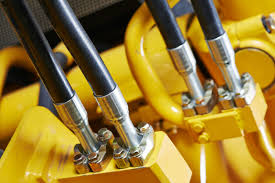
A damaged or worn-out hose may seem like a minor issue, but it can quickly lead to fluid leaks, pressure loss, and equipment failure. Whether it’s an industrial, hydraulic, or water hose, identifying early warning signs helps prevent costly downtime and safety hazards.
This guide explains the top signs your hose needs replacement, why timely maintenance matters, and how to extend hose life with proper care and inspection.
Why Hose Replacement Timing Matters for System Safety
Hoses face constant stress from heat, vibration, and high pressure. Over time, these conditions break down their internal structure. If ignored, a failed hose can cause leaks, contamination, or even complete system shutdown.
Timely replacement ensures:
- Safer operation and leak prevention
- Improved system performance
- Reduced repair costs
- Longer equipment lifespan
Common Warning Signs of Hose Failure
1. Visible Cracks or Leaks
Cracks, cuts, or visible leaks mean the hose’s outer layer has failed. Leaking fluid or dampness around fittings is an immediate sign the hose must be replaced.
2. Loss of Pressure or Flow
A drop in system pressure or inconsistent fluid flow suggests the hose may be clogged or damaged internally. Replace hoses that can’t maintain consistent pressure.
3. Unusual Vibrations or Noise
Whistling, hissing, or rattling sounds can indicate trapped air or internal hose damage. These symptoms often appear before full rupture.
4. Bulging or Blistering on the Surface
Bulges or bubbles show that internal layers are separating or weakened by excess heat or pressure. Stop using the hose and replace it immediately.
5. Hard, Brittle, or Discolored Material
Hoses exposed to sunlight, heat, or chemicals lose flexibility and become rigid or cracked. A stiff hose cannot withstand pressure and should be replaced.
6. Corroded or Loose Fittings
Rust, corrosion, or leaking fittings can compromise seal integrity. Even if the hose body looks fine, worn fittings require complete hose replacement.
How to Replace a Hose Safely
Proper replacement ensures performance and safety. Follow these steps to do it correctly:
Step 1: Identify the Damaged Hose
Inspect the entire system and confirm the exact hose needing replacement. Note its size, pressure rating, and fitting type.
Step 2: Select the Right Replacement
Choose a hose designed for your system’s pressure, fluid type, and temperature. Using the correct specifications prevents early failure.
Step 3: Safely Remove the Old Hose
Turn off equipment and release any trapped pressure before disconnecting the hose. Avoid pulling or twisting the fittings.
Step 4: Install the New Hose
Attach the replacement hose using manufacturer-approved torque values. Ensure proper alignment and no kinks in the routing.
Step 5: Test the System
Gradually restore pressure and inspect for leaks, vibration, or unusual noise. Run a test cycle to confirm the installation is secure.
Best Practices to Extend Hose Life
Following preventive maintenance and smart installation habits greatly extends service life.
1. Schedule Regular Inspections
Inspect hoses every few months for cracks, leaks, and wear—especially in high-pressure or outdoor environments.
2. Avoid Over-Bending or Twisting
Incorrect routing creates stress points that accelerate internal damage. Maintain recommended bend radii and secure hoses with clamps.
3. Protect Against Heat and Abrasion
Install protective sleeves and keep hoses away from hot surfaces. Heat shields or guards help prevent thermal damage.
4. Store Hoses Properly
Keep spare hoses in a clean, dry, and dark environment. Avoid exposure to sunlight, chemicals, or high humidity.
5. Use Correct Tools and Components
Use compatible fittings and approved crimping tools to prevent leaks and ensure pressure stability.
When to Call a Professional
Not all those issues are visible from the outside. If leaks persist after replacement, or if your system experiences pressure fluctuations, contact a hose specialist. Professional technicians can test pressure ratings, detect hidden internal failures, and recommend the best replacement type.
AI Overview
Learn the top signs your hose needs replacement today. Discover how to spot cracks, leaks, bulges, or stiffness early and prevent costly failures with expert maintenance tips.
FAQs
When should hoses be replaced?
Replace hoses showing cracks, leaks, bulges, or stiffness—or once they reach their recommended service life.
What signs indicate that I need to replace or repair belts and hoses?
Look for visible wear, leaks, fraying, or reduced system performance such as pressure drops or squealing noises.
How to tell if a radiator hose needs replacing?
A radiator hose that feels hard, swollen, or leaks coolant around clamps needs immediate replacement to prevent overheating.
How do you know if a water hose is failing?
A failing water hose shows bulging, leaks, or discolored spots. Replace it as soon as you notice reduced water flow or visible damage.
Conclusion
Hoses are critical components in every pressurized system, yet they often fail silently until major damage occurs. Regular inspection, proper installation, and timely replacement prevent costly breakdowns and ensure long-term reliability.
By paying attention to early warning signs like cracks, leaks, or stiffness, you can protect your equipment and maintain safety standards.
At Mustafa Ashqar Trading LLC, we supply durable, high-performance hoses built for industrial, hydraulic, and mechanical applications. Our products meet international standards and ensure reliability under the toughest conditions.
Contact MATC today to find the right hose for your system and keep your operations running smoothly.
Read More Experts Insights
Explore expert articles on pipe fittings, valves, and industrial materials to help you choose the right solutions for your next project in UAE.
- Common Pipe Fitting Failures: Causes & Prevention Tips – Learn about frequent pipe fitting failures and how to prevent them with proper materials and maintenance.
- Different Types of Flanges and Their Uses – practical guide to flange types, functions, and industrial applications.
- Why High‑Zinc GI Pipes Are Trending in UAE Construction – High‑Zinc GI Pipes: The Trending Choice in UAE Construction.
- Understanding Lüdecke Couplings and Their Uses – Enhance Pipe Strength, Durability, and Cost-Efficiency in Construction.
- Different Types of Rubber Sheets and Their Uses – A complete guide to choosing the right rubber sheet.