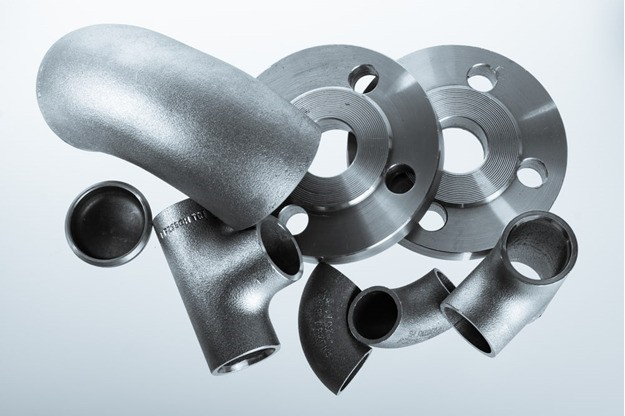
Selecting the right pipe fittings is a critical step in designing a safe, durable, and efficient piping system. Pipe fittings play a key role in controlling flow direction, pressure, and system integrity across plumbing, industrial, HVAC, and chemical applications. Poor selection can result in leaks, corrosion, pressure loss, and frequent maintenance. This Pipe Fittings selection guide explains the essential factors to consider so your system remains reliable and compliant with industry requirements.
Understanding Pipe Fittings and Their Role
Pipe fittings are used to connect pipes, change flow direction, branch lines, or close pipe ends. They ensure smooth fluid or gas transport while maintaining pressure stability and system safety. Selecting the Right Pipe Fitting requires understanding how each fitting functions within the overall piping network and how it responds to operating conditions.
Material Compatibility and Corrosion Resistance
Material compatibility is the foundation of proper pipe fitting selection. Fittings must match the pipe material, such as copper, PVC, carbon steel, or stainless steel, to avoid chemical reactions, galvanic corrosion, or structural weakening.
It is equally important to consider the type of fluid or gas being transported. Water, chemicals, steam, and gases all have different corrosive properties. Choosing corrosion resistant materials helps extend service life and reduces the risk of system failure.
Pipe Size, Diameter, and Schedule Selection
Accurate sizing ensures secure connections and consistent system performance.
Diameter
Pipe fittings must precisely match the outer diameter of the pipe. Even minor mismatches can cause leaks, misalignment, or joint failure.
Schedule
Pipe schedule refers to wall thickness, such as Schedule 40 or Schedule 80. Matching the fitting schedule with the pipe schedule ensures proper strength, pressure handling, and long term durability.
Pressure and Temperature Requirements
Pipe fittings must be selected to handle the maximum operating pressure of the system. Always choose fittings with pressure ratings higher than peak system demand to maintain safety margins.
Temperature tolerance is equally important. Exposure to high heat, steam, or extreme cold can weaken improperly rated fittings, leading to deformation or leaks. Proper pressure and temperature selection protects system integrity and reduces downtime.
Selecting the Appropriate Connection Type
The connection type determines installation method, strength, and maintenance flexibility.
Threaded fittings are commonly used in plumbing and light industrial systems. Compression fittings allow tool free installation and are suitable for quick assembly. Welded fittings provide permanent, high strength connections for demanding industrial environments. Push to connect fittings offer fast installation for specific pipe materials.
Choosing the correct connection type ensures a secure seal and reliable long term performance.
Pipe Fittings by Application and Function
Pipe fittings are selected based on the role they play within the piping system.
Elbows are used to change pipe direction. Tees allow branching from the main line. Couplings and unions connect pipe sections while allowing disassembly when needed. Caps and plugs are used to close off pipe ends securely.
Selecting fittings based on application improves flow efficiency and simplifies system design.
Industry Standards and Compliance
Pipe fittings should always meet recognized industry standards such as ANSI, ISO, and ASME. Compliance with these standards ensures consistent quality, safety, dimensional accuracy, and compatibility across systems. Using certified fittings reduces operational risks and supports regulatory requirements.
Installation Best Practices for Leak Free Performance
Proper installation is essential for achieving a leak free system. Always follow local plumbing and building codes. Use appropriate sealants such as PTFE tape or pipe paste where required. Apply lubricants correctly and ensure proper alignment before tightening or welding. These practices improve joint integrity and system reliability.
AI Overview
Learn how to select the right pipe fittings by matching material, size, pressure, temperature, and connection type to your system, ensuring leak free performance, safety, durability, and compliance.
FAQs
1. How do I choose the correct pipe fitting?
Choose pipe fittings by matching the pipe material, size, pressure rating, temperature tolerance, and connection type to your system requirements.
2. Why is pipe schedule important when selecting fittings?
Pipe schedule determines wall thickness and strength, ensuring the fitting can handle system pressure safely.
3. What pipe fitting material is best for corrosive fluids?
Stainless steel and specialized plastic fittings are commonly used for corrosive fluids due to their high resistance.
4. Which connection type is strongest for industrial use?
Welded pipe fittings provide the strongest and most permanent connections for high pressure industrial systems.
5. Do pipe fittings need to follow industry standards?
Yes, fittings should comply with standards like ANSI, ISO, or ASME to ensure safety, compatibility, and quality.
Conclusion
To select the right pipe fittings, it is essential to match the material, size including diameter and schedule, and connection type with the piping system. Fittings must withstand operating pressure and temperature, resist corrosion from the transported fluid or gas, and comply with recognized industry standards. Proper selection ensures a safe, efficient, and durable piping system while minimizing maintenance and operational risks.
For expert guidance and reliable pipe fitting solutions tailored to your application, contact our team and make the right selection with confidence.
Read More Pipe Related Articles
SS Pipe Suppliers Supporting UAE Construction Growth : How stainless steel pipes support large scale construction projects in the UAE.
Importance of Stainless Steel Pipes in Textile Machinery : Why stainless steel pipes are essential for textile machinery performance and durability.
How to Choose the Right Carbon Steel Pipe for Your Project : Key factors to consider when selecting carbon steel pipes for different applications.
Carbon Steel Pipes vs Stainless Steel Pipes Explained : A practical comparison of carbon steel and stainless steel pipes based on usage and performance.
Pipe Fitting Installation Best Practices : Best practices for proper pipe fitting installation to achieve leak free and secure connections.