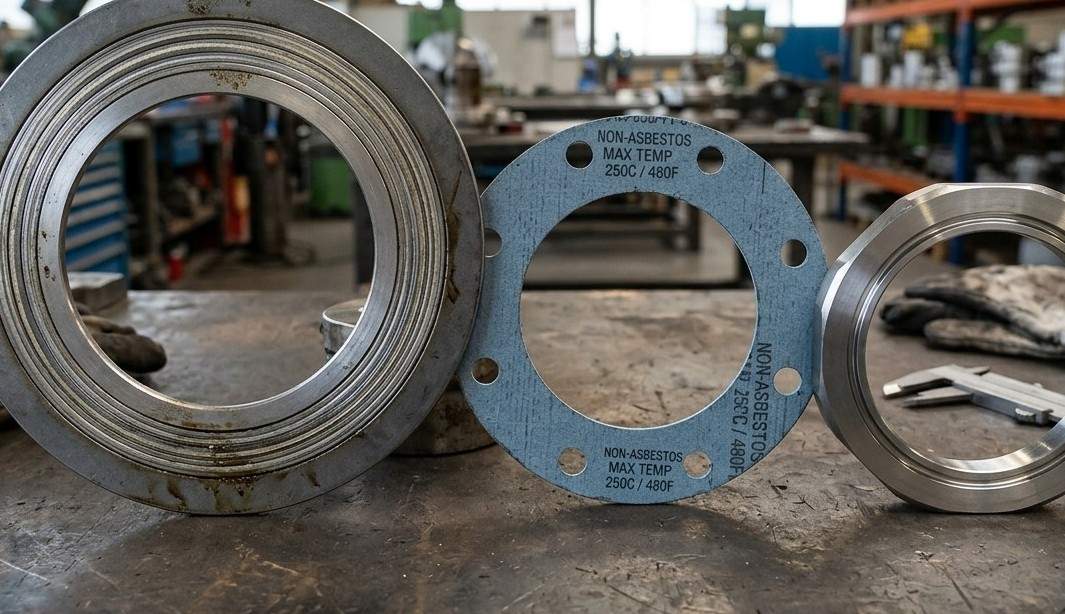
Industrial gaskets are essential sealing components used in pipelines, machinery, pressure vessels, heat exchangers, and industrial equipment. Their primary function is to prevent leakage between two mating surfaces while maintaining pressure integrity under varying operating conditions.
Industries such as oil and gas, petrochemical, marine, power generation, food processing, HVAC, and manufacturing depend heavily on gasket performance for safe and efficient operations. Selecting the correct gasket material and design directly affects operational reliability, maintenance costs, equipment lifespan, and workplace safety.
Modern industrial systems operate under increasingly demanding temperatures, pressures, and chemical environments. As a result, industrial gaskets have evolved into highly engineered sealing solutions capable of handling complex industrial applications while meeting international engineering standards.
What Are Industrial Gaskets
Industrial gaskets are mechanical seals designed to fill irregular spaces between connected surfaces. They create a compressed seal that prevents liquids, gases, steam, or chemicals from escaping during operation.
Gaskets are commonly installed between flanges, pipe joints, pumps, compressors, valves, and engine components. When bolts compress the gasket between two surfaces, the material conforms to imperfections and creates a tight leak-resistant seal.
Without proper gasketing, industrial systems may experience:
- Fluid leakage
- Pressure loss
- Equipment contamination
- Reduced operational efficiency
- Increased maintenance costs
- Safety hazards in high-pressure systems
Because of these risks, gasket selection is considered a critical engineering decision in industrial projects.
Importance of Industrial Gaskets in Industrial Applications
Industrial gaskets support operational reliability across both low-pressure and high-pressure environments. Their role extends beyond simple sealing because they also help absorb vibration, reduce flange stress, and compensate for thermal expansion.
In industries handling hazardous fluids or high-temperature steam, gasket failure can result in operational shutdowns, environmental damage, or safety incidents. This is why companies prioritize certified gasket materials that comply with ASTM, API, ASME, and ISO standards.
A professional industrial gaskets supplier can help industries select suitable sealing solutions based on operating conditions, media compatibility, and pressure requirements, ensuring long-term system stability and performance.
Main Types of Industrial Gaskets
Industrial gaskets are available in different configurations depending on pressure, temperature, and application requirements.
Soft Gaskets
Soft gaskets are manufactured from compressible non-metallic materials such as rubber, cork, PTFE, and compressed fiber sheets. These are commonly used in low-pressure systems.
Common applications include:
- Water pipelines
- HVAC systems
- Food processing equipment
- Low-pressure pumps
- Chemical transfer systems
Metallic Gaskets
Metallic gaskets are designed for extreme pressure and temperature environments. These gaskets are commonly manufactured from stainless steel, copper, Inconel, or other high-performance alloys.
Industries using metallic gaskets include:
- Refineries
- Offshore oil platforms
- Power plants
- Steam systems
- Aerospace engineering
Semi Metallic Gaskets
Semi metallic gaskets combine metal strength with soft sealing materials to provide flexibility and durability. Spiral wound gaskets are among the most common semi metallic gasket types.
These gaskets are ideal for:
- Heat exchangers
- Pressure vessels
- Industrial flanges
- Petrochemical processing systems
Common Materials Used in Industrial Gaskets
Material selection is one of the most important factors in gasket performance. Every gasket material has different mechanical and chemical properties.
Nitrile Rubber Gaskets
Nitrile gaskets offer excellent resistance to oils, fuels, and petroleum products. They are commonly used in automotive and industrial fuel systems.
EPDM Gaskets
EPDM gaskets provide outstanding resistance to UV exposure, ozone, water, and weather conditions. They are widely used in outdoor and HVAC applications.
Neoprene Gaskets
Neoprene is known for balanced chemical resistance, flexibility, and durability. It performs well in refrigeration systems and marine applications.
Silicone Gaskets
Silicone gaskets are highly resistant to extreme temperatures and are commonly used in food processing, electronics, and medical industries.
PTFE Gaskets
PTFE gaskets are highly resistant to aggressive chemicals and corrosive fluids. These gaskets are commonly installed in pharmaceutical and chemical processing plants.
Graphite Gaskets
Graphite gaskets are preferred for high-temperature steam and refinery applications due to their thermal resistance and sealing stability.
An experienced industrial gaskets supplier can evaluate operational conditions and recommend the most suitable gasket material for maximum efficiency and durability.
Spiral Wound Gaskets and Their Advantages
Spiral wound gaskets are among the most widely used industrial sealing solutions for high-pressure applications. They are manufactured using alternating layers of metal and soft filler material such as graphite or PTFE.
Benefits of Spiral Wound Gaskets
- Excellent pressure resistance
- High temperature stability
- Strong recovery characteristics
- Reliable sealing under thermal cycling
- Long operational lifespan
- Suitable for critical industrial systems
These gaskets are heavily used in oil refineries, petrochemical facilities, and power generation plants where operational reliability is essential.
Factors to Consider When Selecting Industrial Gaskets
Proper gasket selection requires evaluating multiple engineering factors to avoid premature failure.
Temperature Resistance
High operating temperatures can harden or degrade gasket materials. Materials such as graphite and metallic gaskets are preferred for elevated temperatures.
Pressure Conditions
Higher pressures require stronger gasket structures capable of maintaining sealing integrity without deformation.
Chemical Compatibility
Chemical exposure can damage incompatible gasket materials. PTFE and fluoropolymer-based gaskets are commonly selected for corrosive environments.
Flange Surface Finish
Uneven flange surfaces require more compressible gasket materials to ensure proper sealing.
Environmental Exposure
Outdoor applications exposed to UV rays, moisture, or ozone require weather-resistant materials such as EPDM or silicone.
A trusted industrial gaskets supplier typically provides technical support to ensure the selected gasket performs efficiently under real operating conditions.
Industrial Applications of Gaskets
Industrial gaskets are used across numerous sectors where pressure containment and leak prevention are essential.
Oil and Gas Industry
Gaskets are used in drilling systems, pipelines, compressors, refineries, and offshore platforms to handle high-pressure hydrocarbon applications.
Chemical Processing Plants
Chemical plants rely on corrosion-resistant gaskets to prevent leakage of aggressive chemicals and hazardous substances.
Power Generation
Steam turbines, boilers, and heat exchangers require high-temperature gasket materials capable of maintaining sealing performance under thermal stress.
Food and Pharmaceutical Industry
FDA-approved gasket materials are used to maintain hygienic processing environments and prevent contamination.
Marine Industry
Marine systems require gaskets resistant to saltwater, fuel exposure, and vibration in harsh operating conditions.
Common Causes of Gasket Failure
Even high-quality industrial gaskets can fail if the material selection, installation process, or operating conditions are not properly managed.
Gasket failure often leads to leakage, pressure loss, equipment damage, and costly operational downtime. Understanding the most common causes helps industries improve sealing performance and extend equipment lifespan.
Improper Bolt Tightening
Uneven or incorrect bolt torque is one of the leading causes of gasket failure. Insufficient tightening can create gaps that allow leakage, while excessive tightening may crush or deform the gasket material. Proper torque distribution using the correct tightening sequence is essential for maintaining uniform gasket compression.
Incorrect Material Selection
Using a gasket material that is incompatible with the operating environment can result in swelling, cracking, hardening, or chemical degradation. Temperature, pressure, and media compatibility must always be evaluated before selecting a gasket for industrial applications.
Excessive Pressure and Temperature
Operating conditions that exceed the gasket’s design limits can significantly reduce sealing efficiency and service life. High temperatures may cause thermal degradation, while excessive pressure can deform the gasket and compromise the seal.
Poor Flange Alignment
Misaligned or damaged flanges create uneven sealing surfaces, placing excessive stress on specific gasket areas. This uneven compression increases the risk of leakage and premature gasket failure.
Aging and Environmental Exposure
Over time, exposure to UV radiation, ozone, moisture, chemicals, and continuous thermal cycling can weaken gasket materials. Aging gaskets gradually lose flexibility and sealing capability, especially in harsh industrial environments.
Improper Installation Practices
Incorrect gasket installation, contaminated flange surfaces, or reusing damaged gaskets can negatively affect sealing performance. Proper surface preparation and installation procedures are critical for achieving a reliable and long-lasting seal.
Regular inspection, preventive maintenance, and correct installation practices play a vital role in reducing gasket failure risks and ensuring safe, efficient industrial operations.
Benefits of High Quality Industrial Gaskets
Investing in high-quality industrial gaskets provides several operational advantages.
Key Benefits Include
- Reduced leakage risks
- Improved operational safety
- Longer equipment lifespan
- Lower maintenance costs
- Better pressure retention
- Enhanced energy efficiency
- Reduced downtime
- Improved regulatory compliance
Reliable sealing systems contribute directly to plant productivity and operational continuity.
Future Trends in Industrial Gasket Technology
Industrial sealing technology continues to evolve with advancements in materials engineering and manufacturing processes.
Modern gasket solutions now include:
- High-performance composite materials
- Advanced chemical-resistant elastomers
- Low-emission sealing technologies
- CNC precision-cut gasket manufacturing
- Environmentally compliant gasket materials
Industries are increasingly demanding gasket solutions capable of handling higher pressures, aggressive chemicals, and stricter environmental regulations.
Conclusion
Industrial gaskets play a crucial role in preventing leaks, maintaining pressure integrity, and ensuring the safe operation of industrial equipment. Their performance directly impacts system reliability, efficiency, and maintenance costs across various industries.
Selecting the appropriate gasket material based on temperature, pressure, chemical compatibility, and environmental conditions is essential for achieving long-term sealing performance. Proper installation and regular maintenance further help maximize gasket lifespan and operational safety.
To explore more industry-focused insights and engineering resources, visit Mustafa Ashkar Trading LLC platform. For product inquiries, technical guidance, or assistance in selecting the right sealing solutions, please contact our team through the Contact Page.
Explore More Industrial Insights
If you want to deepen your understanding of industrial systems and engineering components, explore these related articles:
- What Are GI Pipes? Uses, Benefits and Applications Explained – Learn how galvanized iron pipes are used in industrial and construction systems.
- Why Choose Bothweel for High-Pressure Fittings – Discover the importance of high-quality fittings in demanding industrial environments.
- Understanding Hose Pipes: Types, Uses, and Applications – A detailed guide on industrial hose pipe selection and usage.
- Choosing the Right Camlock Material Aluminum vs Stainless Steel vs Brass – Compare different camlock materials for industrial compatibility.
- Different Types of Flanges and Their Uses – Understand flange types and their role in piping systems.